Let me tell you some of my feelings regarding various punctuation marks.
(You say that sentences makes me sound like a freak. I say it makes me sound like an editor. Potayto, potahto.)
I like em-dashes. They're bold; they make a statement. They provide a clear separation between clauses, but in a way that still shows their unity and togetherness.
I like semi-colons for the same reason. Sure, they're a little less showy, but a well-placed semi-colon can be the difference between two choppy independent clauses hanging out in the same vicinity and two independent clauses that strengthen and support one another.
Commas are okay. Mundane and maybe a bit boring, but also necessary to maintain proper flow and division and all that jazz. Commas may not have the same artfulness as em-dashes and semi-colons, but they have their place, and they maintain structure, and I like them for that.
Ellipses are not my cup of tea. They're hard to use in a clever way, in my personal opinion, and they indicate trailing off or hesitance or uncertainty. They're kind of clunky and ugly, if punctuation marks can be ugly. (They can.)
If I were to consider my entire life one big long, Hemingway-inspired sentence, you'd find in it loads of commas and a healthy smattering of semi-colons, em-dashes, and other punctuation marks. But you'd only find one ellipsis, I think. The very condensed version of the sentence of my life might go something like this:
"Madeline came into the world scowling, and she scowled and smiled in equal measure while growing up in a loving family; she enjoyed learning and had a relatively successful run in high school, after which she went to BYU for four years to get a college education, and then she graduated; after graduation she had an amazing internship at Deseret Book and then . . . "
My life's metaphorical ellipsis is right now. There have been pauses in my life plan, yes, but never ones this pronounced or profound. None that truly felt like my plan was trailing off into oblivion. I understand that life isn't always fluid or constant, but this amount of hesitation in the story is disconcerting. It's as though the author penning my sentence has forgotten what comes next or has gotten bored with the story and wandered away for a bit.
It's hard being an ellipsis when it feels that everybody else just had a quick little comma or a more pronounced, but oh-so-exciting em-dash. It's hard watching my friends and family make future plans and realizing that I'm not as able to make plans for a few months from now, because I have no idea where I'll be living or what I'll be doing by then. I guess I kind of always thought that college would end with an em-dash—it'd be dramatic, it'd be a change, but it still clearly led somewhere exciting.
There are things I want to do with my life. I spent a long time in denial about what I really want to do professionally, and now that I've identified what my goals are, it's even more frustrating to be ellipsising (yes, I just made that up) through the part of my life that should be spent making those goals a reality. I want to work at a publishing house. I want to get a master's degree. I want to live in an big city and open myself up to novel opportunities. I want to travel. I want adventure.
But I'm not doing any of those things. I'm just treading water (I accidentally typed dreading instead of treading just now. Significant? Probably.) in the place I've been for almost five years, working at a job that doesn't get me any closer to the career I want, and generally being frustrated at the job market and the faceless hiring managers across the country who just don't seem to recognize that I'm awesome, goshdarnit, and that I'd be a great addition to their company.
I'm over this whole ellipsis thing. I'm so ready for my sentence to gain a little momentum. I just want some words thrown in there to get this puppy moving forward.
And I'm open to pretty much every punctuation mark known to man—just please, please, please, please no more ellipses.

Showing posts with label real talk. Show all posts
Showing posts with label real talk. Show all posts
Monday, February 22, 2016

Sunday, January 3, 2016
from the files of a frustrated job searcher
Company: Super Cool Publishers, Inc.
Position: Editorial Assistant
Employment Type: Full-time
Experience: Entry level
Super Cool Publishers, Inc., an innovative, cutting-edge publisher located in New York City, seeks a motivated, hardworking individual to fill the role of editorial assistant. We are a rapidly growing publishing house, thanks to the success of Where Did All the Wub-Wubs Go?, a whimsical picture book dubbed Children's Book of the Year by the Nebraska Society of Reading Mothers, and Pine Trees in Sarajevo, the spine-chilling winner of the Twistiest Plot Award given by the Mysterious Mystery Guild. The individual joining our team would have the opportunity to aid the editorial staff in publishing more top-notch books.
This position performs the following tasks:
- act as a liaison between author and publisher
- write catalog, jacket, and marketing material
- handle administrative tasks for editorial staff
- copy editing and manuscript preparation necessary for going to press
- find Atlantis
- hack into the encrypted government websites of all nations in Southeast Asia
- perform a soliloquy from Hamlet at weekly staff meetings (no repeats!)
- lower the cost of space exploration
Candidate Requirements:
- BA in English or similar subject
- outstanding grammar and writing skills
- knowledge of Microsoft Office
- HTML experience a plus
- PhD in Psychopathology
- 6–10 years experience in publishing, journalism, or similar
- letter of recommendation from Queen Elizabeth II
- photographic evidence of your being at the summit of Mt. Everest
- pilot's license
- Nobel Prize in Literature or Physics
- fluency in Inuit, Greek, ASL, Danish, and Quechua
Please send resume, cover letter, and salary requirements to youwontgetthisjob@supercoolpublishers.com. Applications without cover letter or salary requirements will not be considered.* Only qualified candidates will be contacted.**
Please no phone calls. Actually, don't even bother applying. Just go away, please.
* To be honest, applications WITH cover letter and salary requirements probably won't be considered either
**This doesn't include you
Position: Editorial Assistant
Employment Type: Full-time
Experience: Entry level
Super Cool Publishers, Inc., an innovative, cutting-edge publisher located in New York City, seeks a motivated, hardworking individual to fill the role of editorial assistant. We are a rapidly growing publishing house, thanks to the success of Where Did All the Wub-Wubs Go?, a whimsical picture book dubbed Children's Book of the Year by the Nebraska Society of Reading Mothers, and Pine Trees in Sarajevo, the spine-chilling winner of the Twistiest Plot Award given by the Mysterious Mystery Guild. The individual joining our team would have the opportunity to aid the editorial staff in publishing more top-notch books.
This position performs the following tasks:
- act as a liaison between author and publisher
- write catalog, jacket, and marketing material
- handle administrative tasks for editorial staff
- copy editing and manuscript preparation necessary for going to press
- find Atlantis
- hack into the encrypted government websites of all nations in Southeast Asia
- perform a soliloquy from Hamlet at weekly staff meetings (no repeats!)
- lower the cost of space exploration
Candidate Requirements:
- BA in English or similar subject
- outstanding grammar and writing skills
- knowledge of Microsoft Office
- HTML experience a plus
- PhD in Psychopathology
- 6–10 years experience in publishing, journalism, or similar
- letter of recommendation from Queen Elizabeth II
- photographic evidence of your being at the summit of Mt. Everest
- pilot's license
- Nobel Prize in Literature or Physics
- fluency in Inuit, Greek, ASL, Danish, and Quechua
Please send resume, cover letter, and salary requirements to youwontgetthisjob@supercoolpublishers.com. Applications without cover letter or salary requirements will not be considered.* Only qualified candidates will be contacted.**
Please no phone calls. Actually, don't even bother applying. Just go away, please.
* To be honest, applications WITH cover letter and salary requirements probably won't be considered either
**This doesn't include you
Monday, October 19, 2015
on being kind to the unkind
For the last few months, I’ve been working as an account
specialist at a solar company in addition to working at my Deseret Book
internship. It’s a good enough job, it pays pretty well, and the people in the
office are nice, so despite the fact that it has absolutely nothing to do with
what I want to do with my life, I feel like it’s a pretty good setup.
Most of the time.
Our company partners with several install companies
throughout the country, and over the last few weeks, our communication with one
such company has been strained to say the least. This is likely due to a
combination of differing time zones, inefficient methods of communication, and
different office cultures, but the fact of the matter is that the way the
employees at our partner company address my coworkers and me is petty, rude,
and snide. They refuse to answer phone calls and then send nasty emails about
how we’re wasting their time. They ask us to address problems, and then
complain when we do. They are condescending, insulting, and think that
beginning a very rude sentence with “I don’t mean to be rude, but…” makes the
rude sentence not rude. (It doesn’t.)
In the last week, this negative communication spiraled
downward at such an alarmingly fast rate that I was left extremely angry,
frustrated, bitter, and offended. So naturally, I directed all of these
negative feelings to the faceless people who I’ve never met and who work at an
office 2,000 miles away on the other side of the country.
And let me tell you something: I have been miserable all
week. I had plenty of good things happen to me, but none of them meant much to
be, because everything was tinged with the negativity and bitterness that I’d
allowed to root up in my heart.
It wasn’t until studying the words of the prophet on Sunday
that I truly realized why I felt so negative, so grumpy, so bitter, and so
angry: I didn’t have an ounce of charity in my heart for the people at our
partner company.
My knee-jerk reaction to this realization was, “Why should I
have charity toward them? They’re the ones acting inappropriately.” And after
some huffing, I calmed myself and remembered all the times people have shown me
charity when I didn’t deserve it. I remembered that Christ asked His Father to
forgive the very people who tortured and killed him. I remembered that
employees of our partner company are just as much children of God as I am and
that Christ loves them just as much as he loves me.
And my heart softened a bit.
I realized that I needed to make more room in my life for
charitable feelings toward others. Especially
toward the people who are rude or offensive and the people who let you down or
hang you out to dry. Being bitter and angry instead of charitable and forgiving
only hurts me. My reaction to rudeness or unkind behavior does nothing to change those external
forces. But it does change me. And it
can change me for better or for worse, depending on whether I choose to react
with charity or with spite. After spending a week reacting with spite and feeling
the uncomfortable repercussions of that choice, I think I’m going to go with
charity from now on.
That’s not to say that it’ll be easy. I’m quick to judge,
quick to be offended, and slow to forgive. These are all attributes of my being
that I’m very much aware of and very much in favor of changing. But change is a
slow, tedious process, so I’m going to start small.
Thus, I’ve come up with a new rule for myself. Anytime I
have an unkind, judgmental, or otherwise uncharitable thought about another
person, I have to replace it with a kind thought. I’ve been at this for less
than 12 hours, and I’m already becoming more and more aware of how frequently I
judge or become frustrated with others for silly little things. I’d barely made
it out of the house before I was annoyed at a car driving five under the speed
limit and then accelerating at the last minute to run a red light. And then
another driver cut me off, prompting a “would you please learn how to drive and
watch where you’re going” from a driver prone to very slight road rage. (That’s
me, if you didn’t catch on.) Then on the train, I scrolled through social media
and found myself thinking, “Was that post really
necessary? Do people actually think I care about every minute detail of
their lives?” And perhaps the most ridiculous of all: Once at work, I got
irrationally annoyed with the author of the manuscript I’m working on because
he has a tendency to use the word gnarled
when describing things that just CAN’T be gnarled (hair, eyebrows, etc.)
and then using the word twisted when
describing a wooden staff. DIDN’T HE SEE HE WAS MISSING A GOLDEN OPPORTUNITY TO
USE THE WORD CORRECTLY?? (#editorprobs)
Clearly, I’ve been very busy replacing my uncharitable
thoughts with kind ones today.
And it’s only 12:37.
But the fact of the matter is that having these unkind,
impatient, and generally ridiculous, now that I look back on them, thoughts
about fellow children of God does nothing but make it harder for me to love
them. And if I’m not actively trying to love those around me, I’m not actively
trying to be like Christ, which is something I have covenanted to do and which
I genuinely believe will improve my life.
So I’m going to keep replacing uncharitable thoughts with
charitable ones. I’m going to be more patient and more forgiving. I’m going to
put things in greater perspective and focus on what truly matters in life.
And if anybody has any guidance for me, I’d greatly
appreciate it. I’m going to need all the help I can get.
Monday, July 27, 2015
my friend julian
First off, Julian isn't really my friend. He's not even a real person. Okay, well he is, but I don't know him, and his name probably isn't Julian. It's confusing.
Let me tell you what I know about Julian:
Julian does not like snacks.
Julian does not value personal hygiene.
Julian does not have a need for stylish tan flats.
Julian does not have chapped lips.
Julian does not need a keychain bottle opener that says "peace love accordion."
Julian does not like German crosswalk signal keychains.
Julian does not care much for keychains or car keys in general.
Julian does not think that my nine-year-old friend is a good artist.
Julian does not own battery-operated electronics.
Julian does like Chili's.
Julian does like the color blue.
Julian does frequent gas stations.
Julian does think it's okay to steal.
Julian does have possession of my wallet.
Julian stole my wallet on Saturday. He most likely nabbed it out of my purse at Temple Square while I was taking pictures for my best friend's wedding. And the location and the timing make me almost just as mad as the fact that he took it in the first place.
When we first began to take pictures, I put my purse down against the temple (it was literally touching the House of God) and took my place in the first round of pictures. While family pictures were being taken, I noticed that most of the wedding party had congregated in a different place than where my purse was, so I initially was going to move my purse closer to them. But then I saw that my purse had been hidden beneath a mountain of other handbags, backpacks, and diaper bags, so I thought it would be just fine there. Plus, I tend to assume that people visiting the temple grounds are NOT there to steal from just-out-of-college interns, and it didn't even cross my mind that somebody might take my things.
But Julian took it anyway.
And now is the part that necessitates me explaining why I've named this nameless, faceless thief, lest y'all think I'm completely insane.
I was not a happy camper when I realized that my wallet had most definitely been stolen. I'd been operating under the assumption that it had simply fallen out of my purse at some point. (Again, I tend to assume that most people aren't thieves.) But then when I saw charges on my account that I definitely didn't make, I was livid. I couldn't believe that somebody would do something like this and inflict such a negative, stressful ending on such an amazingly happy day that was supposed to be a celebration of love and family and togetherness and eternal marriage.
And in my anger, I was so tempted to hate the person who had done this to me and to wish terrible things upon him or her. But after calming myself a bit, I knew that I needed to take a more Christlike approach to this. I knew that no matter the awful thing this thief did to me, I had to forgive him or her and recognize that he/she was a child of God just like I am.
So I gave the thief a name and a backstory. I called him Julian and decided that life has not been kind to him lately. He's been down on his luck and out of money and very hungry. He probably has a family to provide for. So when he saw the opportunity to buy some food and take care of some living expenses, he took it. And though this is the most optimistic (and probably most unrealistic) version of events I could have come up with, I need to make myself believe that it's true. I need to humanize this thief so that I wasn't filled with hate and bitterness and anger. I need to forgive Julian.
Naturally, I'm still upset about the whole ordeal. I'm upset that he took my money and is causing so much stress. I'm upset that I can't drive legally and that I'm going to have to get a new drivers license. I'm upset that I am having to borrow money from my brother so that I can put gas in the car and pay for my train tickets to get to work. I'm upset that Julian could very easily steal my identity and get credit cards in my name. (I forgot to take my Social Security card out of my wallet after providing it as ID for my new job; normally I'm not dumb enough to carry it around with me like that.) I'm upset that my temple recommend is gone. I'm upset that my collection of ticket stubs is gone. (I'm sentimental, okay?) I'm upset that I have to buy a new wallet, because I really liked that one, and it was fairly new.
It's just an upsetting situation. But humanizing Julian and trying to give him the benefit of the doubt is helping me to focus on the things I can do to fix it. I cancelled my debit card, and a new one is on the way. I made a list of the organizations I need to call to iron out my drivers license-less-ness and missing Social Security card and other minor debacles Julian caused. I talked to my parents to make sure I wasn't leaving anything out.
And I keep praying that I will be able to forgive Julian and put this behind me. I imagine it will take some time for me to truly forgive him, but I'll keep praying for that blessing.
And then I'll pray some more.
Let me tell you what I know about Julian:
Julian does not like snacks.
Julian does not value personal hygiene.
Julian does not have a need for stylish tan flats.
Julian does not have chapped lips.
Julian does not need a keychain bottle opener that says "peace love accordion."
Julian does not like German crosswalk signal keychains.
Julian does not care much for keychains or car keys in general.
Julian does not think that my nine-year-old friend is a good artist.
Julian does not own battery-operated electronics.
Julian does like Chili's.
Julian does like the color blue.
Julian does frequent gas stations.
Julian does think it's okay to steal.
Julian does have possession of my wallet.
Julian stole my wallet on Saturday. He most likely nabbed it out of my purse at Temple Square while I was taking pictures for my best friend's wedding. And the location and the timing make me almost just as mad as the fact that he took it in the first place.
When we first began to take pictures, I put my purse down against the temple (it was literally touching the House of God) and took my place in the first round of pictures. While family pictures were being taken, I noticed that most of the wedding party had congregated in a different place than where my purse was, so I initially was going to move my purse closer to them. But then I saw that my purse had been hidden beneath a mountain of other handbags, backpacks, and diaper bags, so I thought it would be just fine there. Plus, I tend to assume that people visiting the temple grounds are NOT there to steal from just-out-of-college interns, and it didn't even cross my mind that somebody might take my things.
But Julian took it anyway.
And now is the part that necessitates me explaining why I've named this nameless, faceless thief, lest y'all think I'm completely insane.
I was not a happy camper when I realized that my wallet had most definitely been stolen. I'd been operating under the assumption that it had simply fallen out of my purse at some point. (Again, I tend to assume that most people aren't thieves.) But then when I saw charges on my account that I definitely didn't make, I was livid. I couldn't believe that somebody would do something like this and inflict such a negative, stressful ending on such an amazingly happy day that was supposed to be a celebration of love and family and togetherness and eternal marriage.
And in my anger, I was so tempted to hate the person who had done this to me and to wish terrible things upon him or her. But after calming myself a bit, I knew that I needed to take a more Christlike approach to this. I knew that no matter the awful thing this thief did to me, I had to forgive him or her and recognize that he/she was a child of God just like I am.
So I gave the thief a name and a backstory. I called him Julian and decided that life has not been kind to him lately. He's been down on his luck and out of money and very hungry. He probably has a family to provide for. So when he saw the opportunity to buy some food and take care of some living expenses, he took it. And though this is the most optimistic (and probably most unrealistic) version of events I could have come up with, I need to make myself believe that it's true. I need to humanize this thief so that I wasn't filled with hate and bitterness and anger. I need to forgive Julian.
Naturally, I'm still upset about the whole ordeal. I'm upset that he took my money and is causing so much stress. I'm upset that I can't drive legally and that I'm going to have to get a new drivers license. I'm upset that I am having to borrow money from my brother so that I can put gas in the car and pay for my train tickets to get to work. I'm upset that Julian could very easily steal my identity and get credit cards in my name. (I forgot to take my Social Security card out of my wallet after providing it as ID for my new job; normally I'm not dumb enough to carry it around with me like that.) I'm upset that my temple recommend is gone. I'm upset that my collection of ticket stubs is gone. (I'm sentimental, okay?) I'm upset that I have to buy a new wallet, because I really liked that one, and it was fairly new.
It's just an upsetting situation. But humanizing Julian and trying to give him the benefit of the doubt is helping me to focus on the things I can do to fix it. I cancelled my debit card, and a new one is on the way. I made a list of the organizations I need to call to iron out my drivers license-less-ness and missing Social Security card and other minor debacles Julian caused. I talked to my parents to make sure I wasn't leaving anything out.
And I keep praying that I will be able to forgive Julian and put this behind me. I imagine it will take some time for me to truly forgive him, but I'll keep praying for that blessing.
And then I'll pray some more.
Sunday, July 12, 2015
and then it rained
I've got some real talk for y'all that I need to get off my chest, so I'm just going to jump in without any preamble.
The last month or so has been hard. Really hard. It's not my job (I love it). It's not my roommates (I love them). It's not my ward (it's awesome). It's no external force. It's just me.
My struggles have all been completely internal, and oftentimes that's when struggles are most difficult to deal with. Because even though there is really nothing "wrong," so to speak, something isn't right. And that may make exactly zero sense to you, but it's reality for me. Depression, anxiety, fear, plummeting self-esteem, loneliness, unexplainable anger, body image issues, physical and mental exhaustion—you name it, I've been there in the last 30 days. And it was eating away at me. I felt so numb and lost and confused and hurt, and I had no idea why. I was losing my sense of self, I didn't know what I believed anymore, and, as ashamed as I am to admit it, I felt myself losing hope. Giving up and accepting a miserable existence seemed easier than taking my life back.
And then it rained.
My roommate and I went on a nighttime run in the pouring rain. And I felt alive like I haven't in a really, really long time. I took my hair out of my ponytail and let it fly around me, frizzy and soaked and wild. I stopped and gleefully splashed through every puddle we encountered. I couldn't stop smiling.
And while we ran, I found that how fast I was going or how far I went didn't matter. And it didn't matter that I should probably shed a few pounds. It didn't matter I'm getting paid minimum wage to work harder than I've ever worked in my life. It didn't matter that I'm not as smart or pretty or talented or athletic as other girls. It didn't matter that my life isn't perfect and neither am I.
All that mattered was the pavement (and puddles) beneath my feet and the rain pouring down on me. All that mattered was that I felt alive and whole.
Upon getting back to the apartment, we spontaneously jumped into the pool fully clothed. I then proceeded to float lazily on my back a la Danielle de Barbarac, do water ballet, prove to be the least graceful "mermaid" in existence (no surprise there), and continue to feel alive.
When we got too cold, we moved to the hot tub. And while I enjoyed the wonderfully peculiar experience of warm water engulfing my body and cold rain splashing on my face, I thought about a moment just before jumping into the pool. Erica had run into the apartment to put her phone away, and I found myself alone in the courtyard. I was suddenly overwhelmed by an indescribable feeling of love and joy and acceptance. It was that deeply rooted kind of joy that doesn't come from anything that the world has to offer and that can't be expressed in words by even the most eloquent of speakers. I didn't think that my heart had enough room to contain it, and I lifted my face up to the sky in hopes that it would help me hold this sudden rush of completion.
I remembered a weary prayer I'd uttered a few days before in which I'd told my Heavenly Father that I wasn't even sure if He was listening. I told Him that I didn't know if I had faith. I simply asked him for help. That was it. That's all I felt capable of communicating to the Divine.
I never thought that help would come in the form of chilly summertime rain.
But it did.
I feel so incredibly cheesy saying this, but the rain was very much a Hilary Duff-esque cleansing experience for me. It was as if the heavy feelings I've been carrying around just washed away. I now feel renewed, rejuvenated, and refreshed. I've been reminded of beautiful truths I'd forgotten about, and I feel hopeful about tomorrow and every day after that. My problems and demons haven't gone away—not even the more torrential of downpours could accomplish that—but I'm now so much more confident in my abilities to handle the trials and struggles in my life. And that's enough for me.
I left my window open a crack that night so that I could hear the gentle dripping of the rain. God may have given Noah the sign of a rainbow to show His love and support, but He gave me the rain. And rain will now forever be a reminder that I'm not alone, I'm should never give up, and I am loved.
The last month or so has been hard. Really hard. It's not my job (I love it). It's not my roommates (I love them). It's not my ward (it's awesome). It's no external force. It's just me.
My struggles have all been completely internal, and oftentimes that's when struggles are most difficult to deal with. Because even though there is really nothing "wrong," so to speak, something isn't right. And that may make exactly zero sense to you, but it's reality for me. Depression, anxiety, fear, plummeting self-esteem, loneliness, unexplainable anger, body image issues, physical and mental exhaustion—you name it, I've been there in the last 30 days. And it was eating away at me. I felt so numb and lost and confused and hurt, and I had no idea why. I was losing my sense of self, I didn't know what I believed anymore, and, as ashamed as I am to admit it, I felt myself losing hope. Giving up and accepting a miserable existence seemed easier than taking my life back.
And then it rained.
My roommate and I went on a nighttime run in the pouring rain. And I felt alive like I haven't in a really, really long time. I took my hair out of my ponytail and let it fly around me, frizzy and soaked and wild. I stopped and gleefully splashed through every puddle we encountered. I couldn't stop smiling.
And while we ran, I found that how fast I was going or how far I went didn't matter. And it didn't matter that I should probably shed a few pounds. It didn't matter I'm getting paid minimum wage to work harder than I've ever worked in my life. It didn't matter that I'm not as smart or pretty or talented or athletic as other girls. It didn't matter that my life isn't perfect and neither am I.
All that mattered was the pavement (and puddles) beneath my feet and the rain pouring down on me. All that mattered was that I felt alive and whole.
Upon getting back to the apartment, we spontaneously jumped into the pool fully clothed. I then proceeded to float lazily on my back a la Danielle de Barbarac, do water ballet, prove to be the least graceful "mermaid" in existence (no surprise there), and continue to feel alive.
When we got too cold, we moved to the hot tub. And while I enjoyed the wonderfully peculiar experience of warm water engulfing my body and cold rain splashing on my face, I thought about a moment just before jumping into the pool. Erica had run into the apartment to put her phone away, and I found myself alone in the courtyard. I was suddenly overwhelmed by an indescribable feeling of love and joy and acceptance. It was that deeply rooted kind of joy that doesn't come from anything that the world has to offer and that can't be expressed in words by even the most eloquent of speakers. I didn't think that my heart had enough room to contain it, and I lifted my face up to the sky in hopes that it would help me hold this sudden rush of completion.
I remembered a weary prayer I'd uttered a few days before in which I'd told my Heavenly Father that I wasn't even sure if He was listening. I told Him that I didn't know if I had faith. I simply asked him for help. That was it. That's all I felt capable of communicating to the Divine.
I never thought that help would come in the form of chilly summertime rain.
But it did.
I feel so incredibly cheesy saying this, but the rain was very much a Hilary Duff-esque cleansing experience for me. It was as if the heavy feelings I've been carrying around just washed away. I now feel renewed, rejuvenated, and refreshed. I've been reminded of beautiful truths I'd forgotten about, and I feel hopeful about tomorrow and every day after that. My problems and demons haven't gone away—not even the more torrential of downpours could accomplish that—but I'm now so much more confident in my abilities to handle the trials and struggles in my life. And that's enough for me.
I left my window open a crack that night so that I could hear the gentle dripping of the rain. God may have given Noah the sign of a rainbow to show His love and support, but He gave me the rain. And rain will now forever be a reminder that I'm not alone, I'm should never give up, and I am loved.
Tuesday, March 31, 2015
hopeful romantic
I love romance.
I am that sappy, soft-hearted girl who swoons over Hallmark movies and loves to guess the occasion upon seeing a man carrying a bouquet of flowers. Helping orchestrate my roommate's proposal filled me with so much joy that you'd think I was the one being proposed to, and whenever wedding or engagement photos pop up on Facebook, I just get all fuzzy and warm inside. I just love love.
I've been this way since childhood. I remember playing Barbies with my friends and being unnaturally concerned that Barbie and Ken were going to have a happily ever after. And when Ken dolls were in short supply, you'd better believe I snatched one up as fast as possible to avoid the unthinkable fate of my Barbie ending up a lonely spinster with a pink, sequin-studded dress. The mere thought filled me with horror.
And despite all that, I think it's time I shed my identity as a hopeless romantic. I've been called that time and time again, and, on many occasions, I've slapped myself with that particular moniker without giving it a second thought. But now that I really think about it, the term hopeless romantic is rather negative. I don't like it, because it seems to imply that being a romantic is a cause that is without hope. It implies that romance will never be what I want it to be.
And I reject that. You can call me idealistic or naive all you want, but from here on out, I want to be known as a hopeful romantic. Because I believe in romance.
Let's get a few things straight: when I saw that I believe in romance, I don't mean that I believe in the happy sunshine, rainbows and unicorns and cupcakes with sprinkles version of romance that movies and books throw at us. Do I enjoy indulging in a completely unrealistic, fluffy romcom? Yes, sirree. But do I actually think that's what romance is? Absolutely not.
True romance—the romance that I believe in and that I hope to have someday—isn't about meet-cutes and killer dresses and picture perfect plot lines. Real romance is full of stumbling blocks and stepping stones and compromise and care. Real romance is choosing to fall in love more each day and being sympathetic to the humanness in your partner.
I'm certainly no expert in romance, and I'm more than likely completely ill-equipped to be telling anybody anything about what romance is. But even though I'm young and inexperienced in the romance department, I've been surrounded by ideal examples of romance, even if the moments I've witnessed will never grace the big screen.
I believe in romance because I've never heard my parents speak an unkind word to one another and because my dad always makes sure to find my mom first thing when he comes home from work so he can kiss her hello and because when my father lost his job, my mom stopped buying bread and started making it from scratch.
I see romance in the way that my maternal grandmother selflessly aids my frail grandfather, whose health is deteriorating and who is in need of more and more assistance as the days and weeks go on. She serves him without complaint or seeking pity, and I don't know what's more romantic than that.
I believe in romance each time I see the young father in my ward take their squirmy toddler from his wife so that she can focus on church without having to constantly track the movements of an active, curious, and unbelievably adorable little girl. And I believe in romance whenever the wife speaks about her family, and you just know that her husband and baby are her entire world.
I see romance in the way that my sister-in-law works hard at a job that doesn't represent true passion so that she can support my brother while he is getting a degree in a field he's passionate about and in the fact that she was willing to move to the Arctic tundra of Michigan so that he could follow his dreams.
Romance isn't flowers and boxes of chocolates and extravagant dates. Romance is bringing Gatorade and soup when your girlfriend has food poisoning and can't move without becoming incredibly nauseated. It's the small acts of service, the selflessness, the sacrifice for the greater good. Romance is trusting another person with your deepest feelings and letting yourself be vulnerable. It's knowing when to speak reassuring words, when to listen, and when to simply sit in silence and just enjoy being together. It's loving each other on our best days and worst days and days in between.
That's what romance is to me. And I believe in that.
I am that sappy, soft-hearted girl who swoons over Hallmark movies and loves to guess the occasion upon seeing a man carrying a bouquet of flowers. Helping orchestrate my roommate's proposal filled me with so much joy that you'd think I was the one being proposed to, and whenever wedding or engagement photos pop up on Facebook, I just get all fuzzy and warm inside. I just love love.
I've been this way since childhood. I remember playing Barbies with my friends and being unnaturally concerned that Barbie and Ken were going to have a happily ever after. And when Ken dolls were in short supply, you'd better believe I snatched one up as fast as possible to avoid the unthinkable fate of my Barbie ending up a lonely spinster with a pink, sequin-studded dress. The mere thought filled me with horror.
And despite all that, I think it's time I shed my identity as a hopeless romantic. I've been called that time and time again, and, on many occasions, I've slapped myself with that particular moniker without giving it a second thought. But now that I really think about it, the term hopeless romantic is rather negative. I don't like it, because it seems to imply that being a romantic is a cause that is without hope. It implies that romance will never be what I want it to be.
And I reject that. You can call me idealistic or naive all you want, but from here on out, I want to be known as a hopeful romantic. Because I believe in romance.
Let's get a few things straight: when I saw that I believe in romance, I don't mean that I believe in the happy sunshine, rainbows and unicorns and cupcakes with sprinkles version of romance that movies and books throw at us. Do I enjoy indulging in a completely unrealistic, fluffy romcom? Yes, sirree. But do I actually think that's what romance is? Absolutely not.
True romance—the romance that I believe in and that I hope to have someday—isn't about meet-cutes and killer dresses and picture perfect plot lines. Real romance is full of stumbling blocks and stepping stones and compromise and care. Real romance is choosing to fall in love more each day and being sympathetic to the humanness in your partner.
I'm certainly no expert in romance, and I'm more than likely completely ill-equipped to be telling anybody anything about what romance is. But even though I'm young and inexperienced in the romance department, I've been surrounded by ideal examples of romance, even if the moments I've witnessed will never grace the big screen.
I believe in romance because I've never heard my parents speak an unkind word to one another and because my dad always makes sure to find my mom first thing when he comes home from work so he can kiss her hello and because when my father lost his job, my mom stopped buying bread and started making it from scratch.
I see romance in the way that my maternal grandmother selflessly aids my frail grandfather, whose health is deteriorating and who is in need of more and more assistance as the days and weeks go on. She serves him without complaint or seeking pity, and I don't know what's more romantic than that.
I believe in romance each time I see the young father in my ward take their squirmy toddler from his wife so that she can focus on church without having to constantly track the movements of an active, curious, and unbelievably adorable little girl. And I believe in romance whenever the wife speaks about her family, and you just know that her husband and baby are her entire world.
I see romance in the way that my sister-in-law works hard at a job that doesn't represent true passion so that she can support my brother while he is getting a degree in a field he's passionate about and in the fact that she was willing to move to the Arctic tundra of Michigan so that he could follow his dreams.
Romance isn't flowers and boxes of chocolates and extravagant dates. Romance is bringing Gatorade and soup when your girlfriend has food poisoning and can't move without becoming incredibly nauseated. It's the small acts of service, the selflessness, the sacrifice for the greater good. Romance is trusting another person with your deepest feelings and letting yourself be vulnerable. It's knowing when to speak reassuring words, when to listen, and when to simply sit in silence and just enjoy being together. It's loving each other on our best days and worst days and days in between.
That's what romance is to me. And I believe in that.
Saturday, March 28, 2015
understanding ophelia
This semester, I find myself once again trudging through one of Shakespeare's most famous tragedies—Hamlet. This is my third time being assigned this particular play, and upon learning I would be required to read it again, I was a little deflated. I'm not the biggest fan of Shakespeare, to be completely honest, and, in the past, I've struggled quite a bit with this particular play in large part because of Ophelia.
Oh, Ophelia. I've always viewed her as weak, spineless, and a titch whiny. I like strong female characters, and Ophelia has never fit that mold for me. When I mentioned to a friend that we had been reading Hamlet out loud in class, and he asked if I was reading the part of Ophelia, for a few seconds I was tempted to be genuinely offended. I didn't want to be associated with Ophelia, even if the only reason he asked was because she was the only female character whose name he could remember. (And to be fair, Gertrude is the only other lady in the play, and I care for her even less.)
My perceptions of Ophelia have been in part due to the person teaching the play. The first time I read Hamlet, I was being taught by an individual who, in my personal opinion, had no business teaching Shakespeare (or much of anything literary, for that matter). And the second time, it was taught by a staunch Ophelia-hater. In that class, our discussions about Ophelia often veered in the direction of Shang chastising his rag tag army in Mulan ("you're a spineless, pale, pathetic lot, and you haven't got a clue"). Naturally that did nothing to endear Ophelia to me.
But this time around, my experiences with Hamlet have been different. This time, I'm not reading the play for a literature class. Rather, it's for an Early Modern English class, so our biggest focus in reading is really digging deep into the text to uncover the original meaning of the text and identifying characteristics from the EME period. I first thought this practice would be sterile and formulaic; I thought my experience would be restricted to only vocabulary and sentence structure and rhetorical devices. But I was wrong. A closer reading of Hamlet has helped me understand the characters—particularly Ophelia—in a way I never have before. This deep reading paired with the guidance of a professor who is deeply sympathetic to Ophelia has completely altered my perspectives of one of Shakespeare's most famous leading ladies.
Ophelia isn't weak. She's not whiny. She's not an airhead who is incapable of forming her own thoughts.
Ophelia is trapped. She's scared. She's been stripped of power due to her position in society. She's in love with a man she cannot have and who has suddenly begun to act as though he hates her. She's torn between two commandments—Thou shalt not bear false witness and Honor thy father and thy mother—and she can't keep both. Ophelia is sweet, thoughtful, and Christ-like. Even in the midst of one of Hamlet's tirades against her (with her father and the king listening in, no less), she offers prayer. And she doesn't just pray—she prays for Hamlet, the man who is insulting her and forcing her away. In her next encounter with Hamlet—the one in which he is insulting, demeaning, raunchy, and flat out inappropriate—she conducts herself with an enviable level of grace and poise. To put it in the language of the current century, Ophelia is a boss.
Walking home from class on Tuesday, I found myself pondering my newly sympathetic feelings toward Ophelia. And as ridiculous as it may sound, I felt guilty for having judged Ophelia so harshly in the past. Because while Ophelia is a fictional character who doesn't really exist, in that moment she represented all the people I've come in contact with who I didn't take the time to understand and who I unfairly judged in part due to the opinions of others.
There is Ophelia in all of us, meaning that we may all come across as something less than what we are. We all have quirks, nuances, and idiosyncrasies that can lead others to misunderstand or underestimate us. We all deserve time and consideration to be put into understanding us, and none of us deserves to be written off as weak or worthless. Many of us are victims of circumstance, just as Shakespeare's Ophelia is. Many of us are trying our very hardest to do what's right even when everything is working against us. We secretly forgive those who are unkind to us, we hold onto our faith, and we love deeply.
I am Ophelia. You are Ophelia. We are ALL Ophelia. And because of this, we all know what it feels like to be judged and mistreated and underestimated and disliked. So I reckon it's time that we all take a strand and do something about it. When the Ophelia in your friend comes out, don't give up on him or her. Listen, and try to understand.
I certainly don't want to miss out on what could be an amazing friendship or opportunity for growth because I couldn't look past the Ophelia in somebody. Even now I'm a little disheartened thinking about all the friendships I may have already ended before they began due to my inability to look past an initial impression of a person or an introduction from a biased critic.
The original title of this post was "Forgiving Ophelia." But as I pondered and wrote and rewrote, I realized that the fault didn't lie with Ophelia at all. I had nothing to forgive. The fault was within me, and so I gave myself a slap on the wrist, amended the title, and considered what I wanted to change
I want to see the good in people more easily. I want to give second chances and third chances and fourth chances. I want to give the benefit of the doubt, assume the best, and love without hesitation.
I want to understand Ophelia.
Oh, Ophelia. I've always viewed her as weak, spineless, and a titch whiny. I like strong female characters, and Ophelia has never fit that mold for me. When I mentioned to a friend that we had been reading Hamlet out loud in class, and he asked if I was reading the part of Ophelia, for a few seconds I was tempted to be genuinely offended. I didn't want to be associated with Ophelia, even if the only reason he asked was because she was the only female character whose name he could remember. (And to be fair, Gertrude is the only other lady in the play, and I care for her even less.)
My perceptions of Ophelia have been in part due to the person teaching the play. The first time I read Hamlet, I was being taught by an individual who, in my personal opinion, had no business teaching Shakespeare (or much of anything literary, for that matter). And the second time, it was taught by a staunch Ophelia-hater. In that class, our discussions about Ophelia often veered in the direction of Shang chastising his rag tag army in Mulan ("you're a spineless, pale, pathetic lot, and you haven't got a clue"). Naturally that did nothing to endear Ophelia to me.
But this time around, my experiences with Hamlet have been different. This time, I'm not reading the play for a literature class. Rather, it's for an Early Modern English class, so our biggest focus in reading is really digging deep into the text to uncover the original meaning of the text and identifying characteristics from the EME period. I first thought this practice would be sterile and formulaic; I thought my experience would be restricted to only vocabulary and sentence structure and rhetorical devices. But I was wrong. A closer reading of Hamlet has helped me understand the characters—particularly Ophelia—in a way I never have before. This deep reading paired with the guidance of a professor who is deeply sympathetic to Ophelia has completely altered my perspectives of one of Shakespeare's most famous leading ladies.
Ophelia isn't weak. She's not whiny. She's not an airhead who is incapable of forming her own thoughts.
Ophelia is trapped. She's scared. She's been stripped of power due to her position in society. She's in love with a man she cannot have and who has suddenly begun to act as though he hates her. She's torn between two commandments—Thou shalt not bear false witness and Honor thy father and thy mother—and she can't keep both. Ophelia is sweet, thoughtful, and Christ-like. Even in the midst of one of Hamlet's tirades against her (with her father and the king listening in, no less), she offers prayer. And she doesn't just pray—she prays for Hamlet, the man who is insulting her and forcing her away. In her next encounter with Hamlet—the one in which he is insulting, demeaning, raunchy, and flat out inappropriate—she conducts herself with an enviable level of grace and poise. To put it in the language of the current century, Ophelia is a boss.
Walking home from class on Tuesday, I found myself pondering my newly sympathetic feelings toward Ophelia. And as ridiculous as it may sound, I felt guilty for having judged Ophelia so harshly in the past. Because while Ophelia is a fictional character who doesn't really exist, in that moment she represented all the people I've come in contact with who I didn't take the time to understand and who I unfairly judged in part due to the opinions of others.
There is Ophelia in all of us, meaning that we may all come across as something less than what we are. We all have quirks, nuances, and idiosyncrasies that can lead others to misunderstand or underestimate us. We all deserve time and consideration to be put into understanding us, and none of us deserves to be written off as weak or worthless. Many of us are victims of circumstance, just as Shakespeare's Ophelia is. Many of us are trying our very hardest to do what's right even when everything is working against us. We secretly forgive those who are unkind to us, we hold onto our faith, and we love deeply.
I am Ophelia. You are Ophelia. We are ALL Ophelia. And because of this, we all know what it feels like to be judged and mistreated and underestimated and disliked. So I reckon it's time that we all take a strand and do something about it. When the Ophelia in your friend comes out, don't give up on him or her. Listen, and try to understand.
I certainly don't want to miss out on what could be an amazing friendship or opportunity for growth because I couldn't look past the Ophelia in somebody. Even now I'm a little disheartened thinking about all the friendships I may have already ended before they began due to my inability to look past an initial impression of a person or an introduction from a biased critic.
The original title of this post was "Forgiving Ophelia." But as I pondered and wrote and rewrote, I realized that the fault didn't lie with Ophelia at all. I had nothing to forgive. The fault was within me, and so I gave myself a slap on the wrist, amended the title, and considered what I wanted to change
I want to see the good in people more easily. I want to give second chances and third chances and fourth chances. I want to give the benefit of the doubt, assume the best, and love without hesitation.
I want to understand Ophelia.
Wednesday, March 4, 2015
my life as described by Disney & Pixar characters
Because sometimes Disney/Pixar can just say it better...
When every tiny detail of every part of my life isn't planned in meticulous detail:

When I have to wear "real clothes" for too long:

When I need to make somebody understand the extreme level of my irritation/disappointment:

When all my friends leave me to get married/go on missions:

Mornings:

When my feelings get hurt:

When I meet somebody who will talk Harry Potter with me:

Eating in front of people:

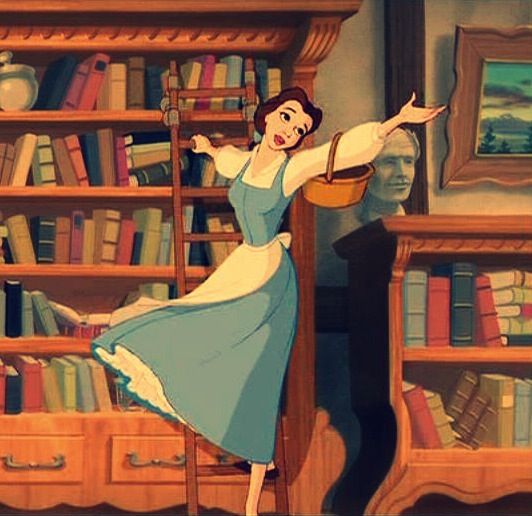
When I enter a library or bookstore:
When I'm wearing a skirt or dress:

Always:

Monday, February 9, 2015
can't
Spend a few minutes in a grammar, usage, or editing class, and you'd better believe you're going to get at least one pretty little lecture about the difference between can and may.
Can, they'll tell you, means that you are able to do something. ("I can ride a bike.")
May, on the other hand, indicates permission or possibility. ("You may do that."/ "It may happen.")
At this point prescriptivists get all high and mighty about maintaining "proper" usage and descriptivists go on a cranky rampage about how language changes and prescriptivists should just unwad their panties and join the twenty-first century, for heaven's sake.
And though I'm a good little ELang major and have taken grammar, usage, and editing classes galore and have heard the soap box rants about linguistic purity and the grumbles about letting English evolve (all while remaining uncharacteristically neutral about the issue, I might add), I think that when it comes to my own life and abilities, I just can't seem to get the hang of what each word truly means.
(Yes, I'm aware that I correctly used can in the previous sentence.)
You see, I've spent a good portion (say, twenty-two years or so) of my life doubting my abilities, my talents, and my potential. In short, I've been telling myself that I can't over and over and over again.
I can't run.
I can't be outgoing.
I can't meet new people without insane amounts of trepidation and anxiety.
I can't dance.
I can't leave the safe little Provo bubble I've grown accustomed to.
I can't. I can't. I can't. I can't.
But I can. With hard work and faith, I can do all those things. (Except dance. I really am hopeless in that department.)
When I tell myself that I can't do something, what I'm unconsciously doing is denying myself permission to try. I'm telling myself that I may not run—I'm not allowed to create that habit. I may not be outgoing—that possibility is in fact an impossibility. And on and on I go, limiting my potential. Limiting my experiences. Limiting myself.
And I often find myself haunted late at night by missed opportunities. I find myself wondering how much I could have accomplished if I had just removed the apostrophe t from the word can't. And it's painful and disheartening to realize that I'll just never know. That I can't go back and give myself a chance to try, and that I will never know what could have been different if I'd just allowed it to be.
So I'm going to try something new: I'm going to tell myself that I can. I'm going to give myself permission to try. I'm going to do my very best to drown out that tinny voice of self-doubt in the back of my head that is convinced that trying is useless because I'm just going to fail anyway.
First can't changed to can? A 10K. It's something I've wanted to do for a while, but it's always been filed away in the category of I can't. But I can. And I may. I'm all signed up, my registration fee is paid, and my training plan is on my desk, ready to be implemented bright and early tomorrow morning.
And this is just the beginning. Who knows what I'll be able to accomplish once I start to believe in myself a little bit more. Once I stop telling myself that I can't.
Because I can.
And I may.
And I will.
Can, they'll tell you, means that you are able to do something. ("I can ride a bike.")
May, on the other hand, indicates permission or possibility. ("You may do that."/ "It may happen.")
At this point prescriptivists get all high and mighty about maintaining "proper" usage and descriptivists go on a cranky rampage about how language changes and prescriptivists should just unwad their panties and join the twenty-first century, for heaven's sake.
And though I'm a good little ELang major and have taken grammar, usage, and editing classes galore and have heard the soap box rants about linguistic purity and the grumbles about letting English evolve (all while remaining uncharacteristically neutral about the issue, I might add), I think that when it comes to my own life and abilities, I just can't seem to get the hang of what each word truly means.
(Yes, I'm aware that I correctly used can in the previous sentence.)
You see, I've spent a good portion (say, twenty-two years or so) of my life doubting my abilities, my talents, and my potential. In short, I've been telling myself that I can't over and over and over again.
I can't run.
I can't be outgoing.
I can't meet new people without insane amounts of trepidation and anxiety.
I can't dance.
I can't leave the safe little Provo bubble I've grown accustomed to.
I can't. I can't. I can't. I can't.
But I can. With hard work and faith, I can do all those things. (Except dance. I really am hopeless in that department.)
When I tell myself that I can't do something, what I'm unconsciously doing is denying myself permission to try. I'm telling myself that I may not run—I'm not allowed to create that habit. I may not be outgoing—that possibility is in fact an impossibility. And on and on I go, limiting my potential. Limiting my experiences. Limiting myself.
And I often find myself haunted late at night by missed opportunities. I find myself wondering how much I could have accomplished if I had just removed the apostrophe t from the word can't. And it's painful and disheartening to realize that I'll just never know. That I can't go back and give myself a chance to try, and that I will never know what could have been different if I'd just allowed it to be.
So I'm going to try something new: I'm going to tell myself that I can. I'm going to give myself permission to try. I'm going to do my very best to drown out that tinny voice of self-doubt in the back of my head that is convinced that trying is useless because I'm just going to fail anyway.
First can't changed to can? A 10K. It's something I've wanted to do for a while, but it's always been filed away in the category of I can't. But I can. And I may. I'm all signed up, my registration fee is paid, and my training plan is on my desk, ready to be implemented bright and early tomorrow morning.
And this is just the beginning. Who knows what I'll be able to accomplish once I start to believe in myself a little bit more. Once I stop telling myself that I can't.
Because I can.
And I may.
And I will.
Saturday, February 7, 2015
letters
Today I wrote five letters.
One to an influential elementary school teacher who—aside from my parents—was the most beneficial and appreciated guide in my road to loving the written word—both reading it and creating it. It was a letter of thanks, of reflection, of exploration. It was a letter that I hoped would express even just a portion of the gratitude I have for her dedication to teaching students to love learning and to be confident in themselves and their abilities. It was a letter that told her that her work does not go unnoticed nor unappreciated.
Past
One to my dear Sister Aase—it was a letter I've been sporadically adding scrawled sentences and paragraphs to over the course of a week and a half or so, but kept forgetting to send. I put the final touches on the letter, sealed in in an envelope with Hedwig sitting serenely in the top right corner, and slipped it in the mailbox to be picked up on Monday. It was a letter laced with obscure Harry Potter trivia and random thoughts that deserved being labeled with #onlymaddieunderstands. It said I miss you, I'm proud of you, and gee, doesn't time fly?
Present
The last three to faceless HR employees and internship directors whose offices are situated somewhere on the East Coast. These were sent electronically, and unlike the other letters I hand wrote today, they are already in somebody's inbox waiting to be read or ignored. I like to think that the recipients will slide into their office chairs on Monday, boot up their computers, and be delighted to find my cover letter and résumé patiently waiting to be opened and read. These letters attempt to show my knowledge of the company. They explain why I want the job and why I think I'm a good fit. (These letters are the hardest to write.) But realistically I know that a quick fifteen-second glance before going into the recycle bin is the most these three letters are likely to get. (But don't worry, I'll be writing more of these and distributing them across states and cities. I'm nowhere near ready to throw in the towel.)
Future
Today I wrote five letters.
past
present
future
Wednesday, December 17, 2014
on wounds and healing
They say that time heals all wounds.
They being that anonymous, formless voice of knowledge and wisdom that we revere and that represents collective history and mutual human experience.
They say that time heals all wounds, and I believe them.
What they don't say is that time won't leave scars.
No, the scars remain, a reminder of the pain the wounds once inflicted. And a reminder that what once was a gaping wound—raw, aggravated, and painful—is now knit back together and puckered.
Most scars fade with the passing of time. But like the burn mark on my left forearm, they still remain. Others may not notice the wrinkled skin between my wrist and my elbow, but I do. I know it's there, even though I don't remember the pain of its creation. And maybe by the time I have my own two-year-old who disobeys when I tell her no; no, don't touch the iron—it's hot, and it will hurt you, my own scar will have faded enough that not even I notice its presence.
But maybe not.
Time heals all wounds. But time does not reverse the injury; it doesn't take a burn or a cut or a scrape and revert it back into the smooth, unmarked skin it once was. It takes what it has and molds it as best as it can to fit your body in its present state. Time doesn't erase; it doesn't turn back the clock.
And as time heals, it make those wounds and those scars a permanent part of your being. The jagged, wrinkled, puckered skin of a scar merges seamlessly with the unmarred stretches of skin around it. The scars and the wounds don't huddle together in one portion of the body—the blemished away from the whole. Scarred skin and unscarred skin inhabit the same portion of the same canvas.
And though the pain of a wound will eventually fade, the fact that it once existed changes you, even if it's just in the slightest way. You're left with a memory of an embarrassing fall or a spiteful shove or a hilarious mishap.
But when it all comes down to it, I love my scars—both the ones visible on my skin and the ones imprinted on my soul. I think they're beautiful, and I think they make me stronger. Yes, sometimes they bring back memories of excruciating pain, but more often they remind me that after the pain and the hurt comes healing. And after the healing comes renewed strength. After the healing comes the growth and change.
I choose to grow from my scars; I choose to be proud of my experiences—even the painful ones—instead of hiding them away.
I choose to let my current wounds heal, to not poke at scabs or irritate sensitive skin, so that someday I can grow from those scars too, and I can see them as the beautiful experiences that they are.
They being that anonymous, formless voice of knowledge and wisdom that we revere and that represents collective history and mutual human experience.
They say that time heals all wounds, and I believe them.
What they don't say is that time won't leave scars.
No, the scars remain, a reminder of the pain the wounds once inflicted. And a reminder that what once was a gaping wound—raw, aggravated, and painful—is now knit back together and puckered.
Most scars fade with the passing of time. But like the burn mark on my left forearm, they still remain. Others may not notice the wrinkled skin between my wrist and my elbow, but I do. I know it's there, even though I don't remember the pain of its creation. And maybe by the time I have my own two-year-old who disobeys when I tell her no; no, don't touch the iron—it's hot, and it will hurt you, my own scar will have faded enough that not even I notice its presence.
But maybe not.
Time heals all wounds. But time does not reverse the injury; it doesn't take a burn or a cut or a scrape and revert it back into the smooth, unmarked skin it once was. It takes what it has and molds it as best as it can to fit your body in its present state. Time doesn't erase; it doesn't turn back the clock.
And as time heals, it make those wounds and those scars a permanent part of your being. The jagged, wrinkled, puckered skin of a scar merges seamlessly with the unmarred stretches of skin around it. The scars and the wounds don't huddle together in one portion of the body—the blemished away from the whole. Scarred skin and unscarred skin inhabit the same portion of the same canvas.
And though the pain of a wound will eventually fade, the fact that it once existed changes you, even if it's just in the slightest way. You're left with a memory of an embarrassing fall or a spiteful shove or a hilarious mishap.
But when it all comes down to it, I love my scars—both the ones visible on my skin and the ones imprinted on my soul. I think they're beautiful, and I think they make me stronger. Yes, sometimes they bring back memories of excruciating pain, but more often they remind me that after the pain and the hurt comes healing. And after the healing comes renewed strength. After the healing comes the growth and change.
I choose to grow from my scars; I choose to be proud of my experiences—even the painful ones—instead of hiding them away.
I choose to let my current wounds heal, to not poke at scabs or irritate sensitive skin, so that someday I can grow from those scars too, and I can see them as the beautiful experiences that they are.
Subscribe to:
Posts (Atom)